
How Does Quantitative Trading, Fintech, and Liquidity Mechanics Work?
Our macro analysts recently dug into global supply data and logistical hold-ups. The takeaway? Mainstream updates completely miss the mark. You really need to grasp these energy and shipping spreads if you want your portfolio positioned right. Let's look at the hard data.
- ∴Latency Arbitrage Desks: Ultra-low latency co-location networks are crazy fast. They sit directly on exchanges to snipe tiny pricing anomalies between isolated matching engines.
- ∴Automated Corporate Hedging: Nobody does this manually anymore. ERP systems use real-time API bridges to instantly execute commodity and FX hedges. It secures invoice margins without human error.
- •Private Credit expansion: Traditional bank bottlenecks are annoying. Credit funds bypass them completely. Direct lending gives mid-market firms the quick, flexible liquidity they desperately need.
How Does Quantitative Order Book Modeling Work?
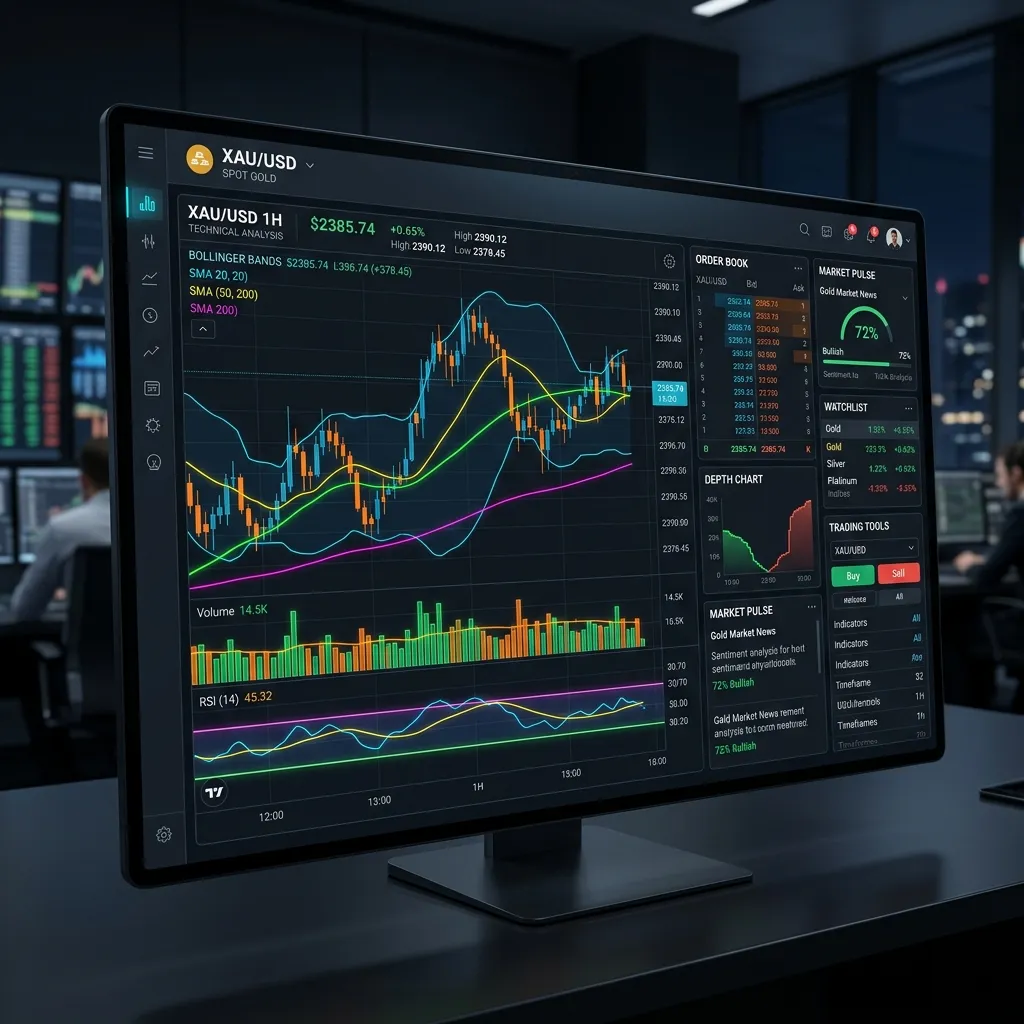
If you want to anticipate transaction slippage, you do what systematic quant desks do. You calculate the Weighted Order Book Imbalance.
Look for an imbalance value around Ib ≈ 1. That means intense buy-side pressure. A short-term price jump is highly likely. Automated systems read this and immediately raise their bids to make sure their trades execute.
How Does Technical Python Order Book Imbalance Signal Script Work?
Here’s a basic Python module to show you how it's done. It calculates live order book imbalance. It fires off trade alerts whenever buy or sell volumes show high-probability setups:
How Does Quantitative Fintech Outlook Work?
The whole industry is ditching slow processes for low-latency payment rails and private debt funding. It's happening quickly. For B2B companies looking to scale, linking fintech API adapters straight to the general ledger is a no-brainer. It cuts down cross-border payment fees. It eliminates manual banking audits. Plus, it locks down the instant capital lines you need to jump on high-yield opportunities.